Ankle sprains and volleyball — a match not made in heaven.
Utah Health • Friday, February 21, 2025
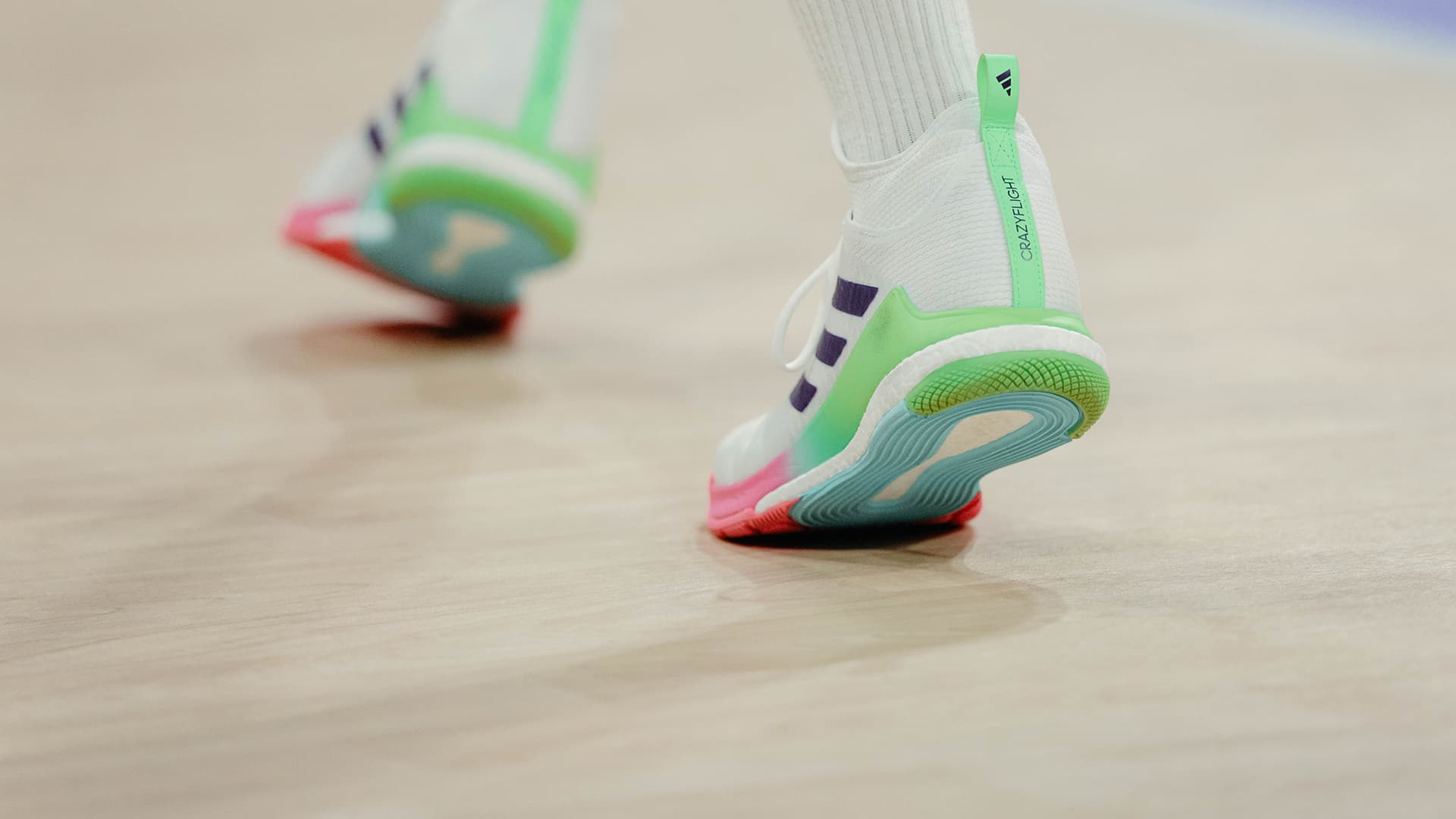
With the game's fast starts, turns, and stops, volleyball players know all too well how quickly an ankle sprain can happen. Americans suffer approximately two million ankle sprains each year. While the majority of patients recover quickly from this ligament injury, some may suffer from recurring ankle sprains.
What Are Chronic Ankle Sprains?
Chronic ankle sprains are sprains with lingering effects that might last several months or years, according to Devon Nixon, MD, an orthopedic foot and ankle surgeon and assistant professor in the Department of Orthopaedics at University of Utah Health. Patients may continue to feel that the ankle is loose and may roll easily, whether while playing sports or just simply while walking.
Chronic Ankle Instability (CAI)
After a bad sprain or multiple sprains, you can develop chronic ankle instability, which affects the lateral or outer side of the ankle. Additionally, the inside (medial) ligaments may also become loose, as well as the ligaments that support the main bones of the leg (i.e., syndesmosis ligaments connecting the tibia and fibula). CAI is the leading cause of continuing ankle sprains.
Beyond the Ankle Ligaments
For those who experience continued ankle pain, Nixon suggests an MRI for a further look at the joint surface, surrounding tendons around the ankle, and the ankle ligaments. In some patients, a long-term history of repeated sprains may result in ankle arthritis.
Treatment of CAI and Chronic Sprains
Non-surgical treatment includes braces to provide stability and non-steroidal anti-inflammatory drugs like ibuprofen to help reduce inflammation. Physical therapy may also help some patients, but Nixon says its success is less predictable with chronic instability than with acute sprains. Surgery is an option for many patients to repair or reconstruct damaged ligaments with good surgical outcomes.
Prevention Is the Best Medicine
For those who want to help prevent sprains, improving core strength, flexibility, and balance can help you react quickly when stumbling without putting pressure on the ankle. Strengthening ankles with exercises like standing heel raises, squats, squat jumps, and lunges can also help, as well as warming up thoroughly before any exercise.
Read more news about
More News
Read More News.JPG&w=3840&q=75)
Karmen Kočar Named LOVB Nebraska Assistant Coach
Oct 15, 2026
LOVB Nebraska
LOVB Nebraska, TeamMates Rally Around Community
Oct 12, 2026
LOVB Nebraska
LOVB Miami, One and Only Pro Women’s Sports Team in Miami, Announces Star-Studded Ownership Group of Investors, Champions, and Cultural Icons
Oct 07, 2026
LOVB Miami
LOVB Minnesota Announces Treasure Island Resort & Casino as Founding Partner, Front-of-Jersey Partner
Oct 07, 2026
LOVB Minnesota


-300x300.webp&w=3840&q=75)